

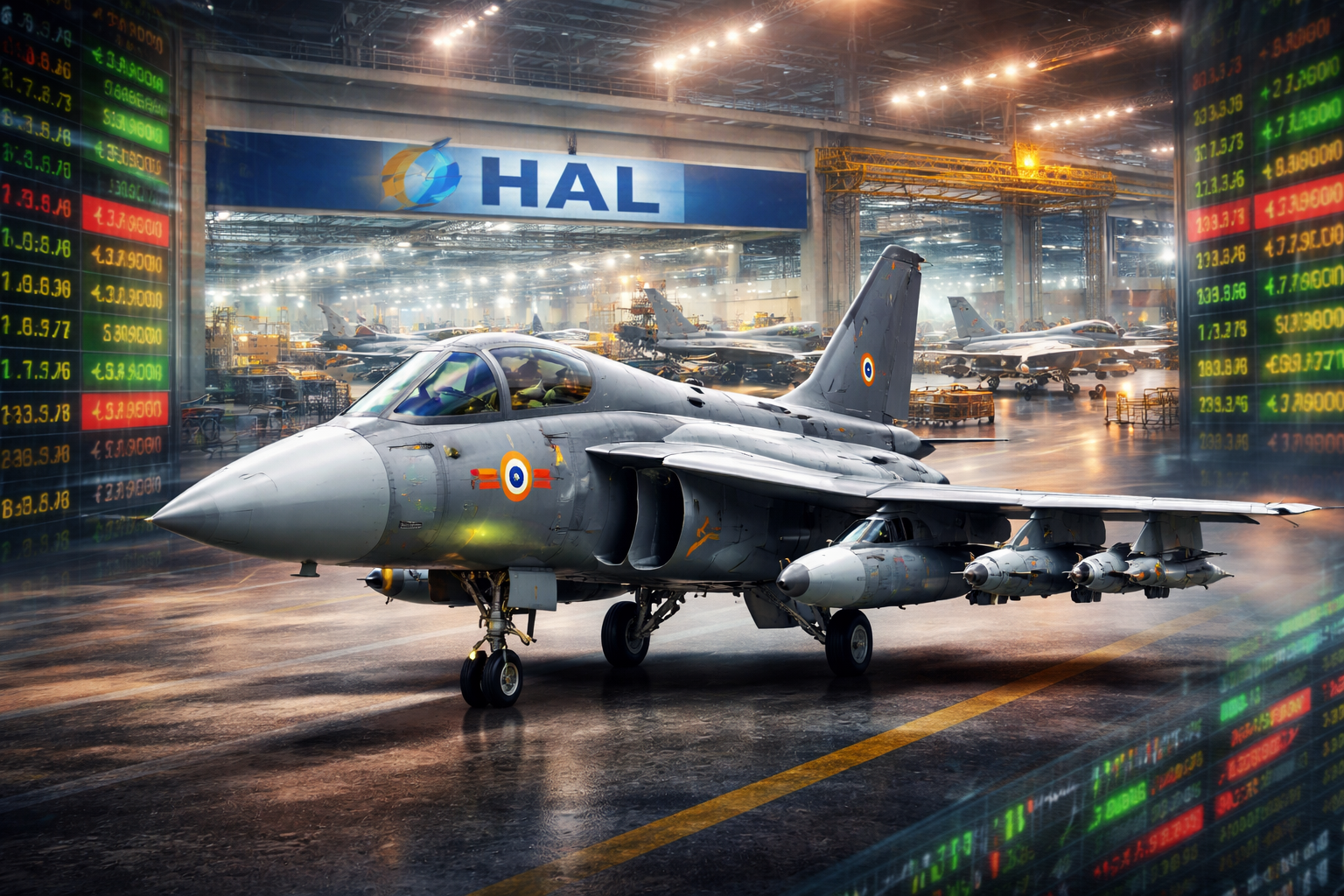



India’s next-generation fighter jet program is finally shifting gears, from ambition to acceleration. As the indigenous Tejas Light Combat Aircraft marks 25 years since its maiden flight, the country’s defence aviation ecosystem is entering a decisive phase that could redefine the Indian Air Force’s combat edge over the next two decades.
At a time when air power equations in Asia are rapidly evolving, officials from Defence Research and Development Organisation (DRDO) and the Indian Air Force (IAF) have sent a clear message: delays are no longer an option.
A Faster Clock for India’s Next-Generation Fighter Jet Program
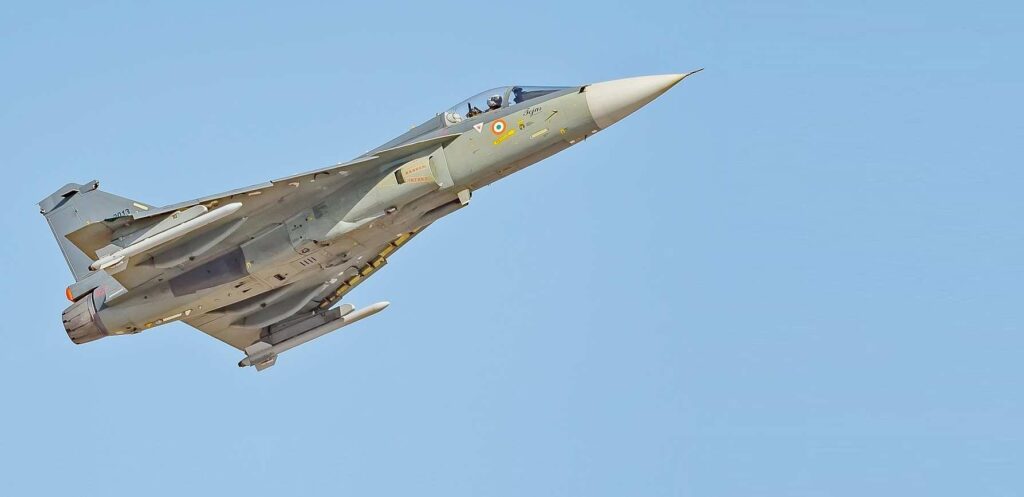
Speaking at the Aeronautics 2047 seminar in Bengaluru, DRDO Chairman Samir V Kamat confirmed that two of India’s most crucial combat aircraft projects are now on firm timelines.
- LCA Mark II: First flight targeted for June 2026
- AMCA (Advanced Medium Combat Aircraft): Rollout by end-2028, maiden flight in early 2029
For a country that has historically faced slippages in aerospace programs, this accelerated roadmap marks a notable shift in execution philosophy within India’s next-generation fighter jet program.
“Both these programs are now on schedule, and we hope to deliver our commitments to the Air Force,” Kamat said, underscoring renewed accountability.
Why the Urgency Is Real, Not Rhetorical
The push to speed up the India next-generation fighter jet program comes against a sobering backdrop. The IAF currently operates 31 fighter squadrons against a sanctioned strength of 42, a shortfall that directly impacts operational flexibility.
Air Chief Marshal Amar Preet Singh, inaugurating the seminar hosted by the Aeronautical Development Agency (ADA), made the urgency explicit.
“Timelines matter more than ever. We are facing evolving threats, and induction delays can no longer be absorbed,” he warned.
According to the IAF’s official disclosures, squadron depletion has been a persistent concern for over a decade, making indigenous platforms central to future readiness.
Tejas at 25: A Program That Changed India’s Aviation Story
The renewed momentum is deeply symbolic. On January 4, 2001, Wing Commander Rajiv Kothiyal lifted the Tejas technology demonstrator into the skies from Bengaluru, an event that quietly altered India’s defence aviation trajectory.
Since then:
- 5,600+ flight trials completed
- 38 aircraft inducted into two frontline IAF squadrons
- A fully indigenous fighter ecosystem established
As DRDO notes on its official portal, Tejas laid the technological foundation that now powers the India next-generation fighter jet program.
LCA Mark II: The Bridge Between Present and Future
The LCA Mark II is not a simple upgrade, it is a structural leap. Designed to overcome the limitations of the Mark I variant, the aircraft brings meaningful enhancements:
- Payload capacity: Up to 6,500 kg
- Engine: GE F414, delivering higher thrust
- Avionics: Advanced Uttam AESA radar
- Combat systems: IRST, network-centric warfare, electronic warfare suites
In practical terms, LCA Mark II positions itself as a true multi-role fighter capable of replacing multiple legacy platforms, an essential pillar of the India next-generation fighter jet program.
AMCA: India’s Entry into Fifth-Generation Air Power
If LCA Mark II is the bridge, the AMCA is the destination.
Designed as India’s first fifth-generation stealth fighter, AMCA brings features that place it in the same league as global peers:
- Twin-engine, 25-tonne class aircraft
- Top speed: Mach 2.15
- Combat range: ~1,620 km
- Stealth design: Internal weapons bays, advanced coatings
- AI-enabled systems: Decision support and sensor fusion
According to DRDO’s long-term aerospace vision, AMCA represents India’s transition from technology follower to capability creator within the next-generation fighter aircraft ecosystem.
Indigenous Collaboration at an Unprecedented Scale
One of the most overlooked aspects of the India next-generation fighter jet program is its collaborative depth. More than 100 design and development centers, spanning government labs, universities, startups, and private industry, are contributing.
This distributed innovation model aligns closely with the “Viksit Bharat 2047” vision, reducing import dependence while nurturing domestic aerospace manufacturing.
The economic spillover is significant too. In fact, indigenous defence production crossed ₹1.54 lakh crore in FY 2024-25, much of it driven by aerospace programs.
What This Means for India’s Strategic Posture
Speeding up the India next-generation fighter jet program is not just about aircraft numbers. It signals:
- Greater strategic autonomy
- Faster technology absorption
- Stronger deterrence posture in contested airspaces
- A maturing military-industrial ecosystem
Most importantly, it restores confidence, within the Air Force and among taxpayers, that India can deliver complex defence platforms on time.
Conclusion: A Defining Decade for India’s Next-Generation Fighter Jet Program
As Tejas turns 25, India stands at an inflection point. The success of LCA Mark II and AMCA will determine whether the next decade is remembered for persistent gaps, or decisive air power transformation.
With firmer timelines, sharper accountability, and deeper collaboration, the India next-generation fighter jet program appears more credible than ever. If execution matches intent, the skies over India in the 2030s may well be patrolled by aircraft designed, built, and perfected at home.
Keep your eyes on Trending Eyes for real-time insights and analysis.